Exploring the Timeless Tradition of Sri Lanka's Milk Rice: A Unique Culinary Experience
- Tharindu P

- Jan 28, 2025
- 3 min read
Sri Lanka, a vibrant island rich in culture and traditions, offers an array of culinary delights. Among these, Milk Rice, or Kiri Pani, is a dish that holds a special place in the hearts of many. Traditionally served during important ceremonies and festivities, Milk Rice captivates with its creamy texture and deep flavor, while representing the unique heritage of Sri Lankan cuisine. In this post, we will explore the history, preparation, and significance of this beloved dish, revealing the rich tradition behind it.
The Origins of Milk Rice
Milk Rice has deep historical roots, primarily offered as a ceremonial dish during various celebrations. This culinary tradition has been cherished for centuries. Significant occasions like the Sinhala and Tamil New Year, weddings, and religious festivals wouldn’t be complete without this dish. The creamy rice cooked in coconut milk symbolizes prosperity and abundance, making it an essential offering at auspicious events.
Interestingly, during the Sinhala and Tamil New Year, almost 75% of Sri Lankan households prepare Milk Rice as part of their rituals. Along with its delicious taste, the preparation of Milk Rice is often accompanied by rituals, making it an integral aspect of Sri Lankan culture.

Ingredients and Preparation
The main ingredients of Milk Rice may seem simple—just rice and coconut milk—but the variations are vast, reflecting regional tastes and personal preferences. Typically, short-grain rice is preferred as it absorbs the coconut milk well, resulting in a delightful, creamy texture.
Key Ingredients:
Short-grain rice: This type is stickier, giving Milk Rice its characteristic texture.
Coconut milk: Vital for rich flavor; fresh coconut adds a depth that canned milk often lacks.
Salt: A pinch lifts the overall taste.
Optional additions: Spices or sugar can enhance the flavor profile, depending on whether you want a sweet or savory dish.
Preparation Steps:
Rinse the Rice: Thoroughly rinse the rice under cold water to eliminate excess starch, which helps achieve the desired texture.
Cook the Rice: In a pot, combine the rinsed rice with water, cooking it on medium heat until it becomes tender, usually about 15-20 minutes.
Add Coconut Milk: Once tender, gradually mix in the coconut milk and let it simmer for an additional 10 minutes, stirring occasionally to prevent sticking.
Season: Add a pinch of salt to enhance the dish's flavor further.
Serve: When you reach a creamy consistency, transfer it to a serving bowl.
Milk Rice is best enjoyed warm or at room temperature, often paired with accompaniments like jaggery, spicy prawn curry, or coconut sambol, which adds extra layers of flavor, enhancing the overall experience.

Cultural Significance
In Sri Lanka, Milk Rice is much more than just a dish; it captures the values, rituals, and traditions of the people. Family gatherings often revolve around the preparation of Milk Rice, where recipes are shared, and stories of ancestry are recounted.
During the Sinhala and Tamil New Year, families come together to offer Milk Rice to their deities, praying for blessings like prosperity and good fortune. Notably, it is also a common offering to Buddhist monks during almsgiving ceremonies, symbolizing respect and the joy of sharing.
The communal aspect of enjoying Milk Rice serves to strengthen family ties and creates a sense of belonging within the community. Each spoonful is a testament to the rich cultural history of Sri Lanka, highlighting the role of food as a unifying force.
Varieties of Milk Rice
While the traditional Milk Rice recipe is treasured, there are many regional variations that showcase Sri Lankan culinary creativity. Here are a few interesting twists:
Sweet Milk Rice: In this delightful version, sugar or jaggery is incorporated, making it a popular dessert option.
Savory Milk Rice: Some families infuse flavors by adding pandan leaves, delivering a distinct aroma, or serve it with spicy dishes for a savory meal.
Vegetable Milk Rice: Finely grated vegetables can be mixed in, adding extra flavors, nutrients, and textures.
These variations not only highlight the creativity of Sri Lankan cuisine but also reflect the diverse influences that have shaped the nation’s food culture over time.
The Legacy of Milk Rice
Milk Rice is an enduring dish that beautifully represents the rich culinary heritage of Sri Lanka. It serves as a reminder of the island's vibrant traditions, sense of community, and the celebration of life's significant moments. Each bite provides a taste of history and culture, making it more than just a meal—it is a meaningful experience.
As Sri Lankans continue to uphold this tradition, Milk Rice stands as a cherished dish and a symbol of unity, linking generations past and present. For those looking to explore the flavors of Sri Lanka, Milk Rice is an inviting introduction, deserving of celebration not only on special occasions but every day.
1
Searing the Beef
Sear beef fillets on high heat for 2 minutes per side to form a golden crust. Let it cool before proceeding to keep the beef tender.
2
Mushroom Duxelles
Sear beef fillets on high heat for 2 minutes per side to form a golden crust. Let it cool before proceeding to keep the beef tender.
3
Puff Pastry Handling
Sear beef fillets on high heat for 2 minutes per side to form a golden crust. Let it cool before proceeding to keep the beef tender.
Notes


1
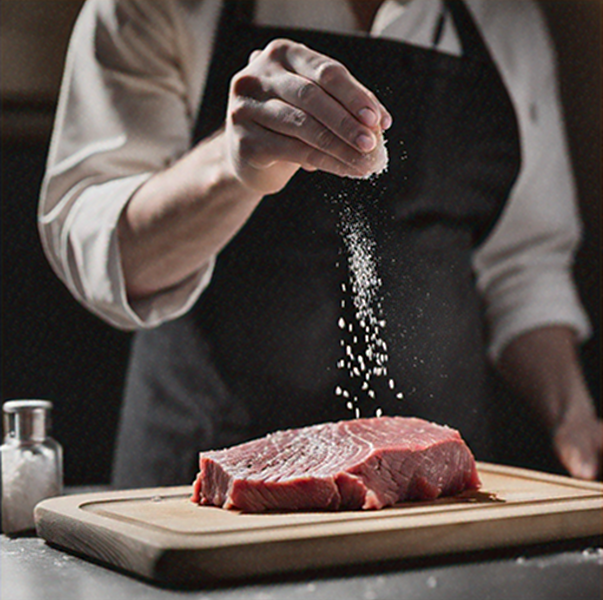
Season the good fresh beef fillets with salt and black pepper. Heat olive oil in a pan over high heat and sear the fillets for 2 minutes per side until it fully browned. Remove the beef from the pan and brush with a thin layer of mustard. Let it cool.


2
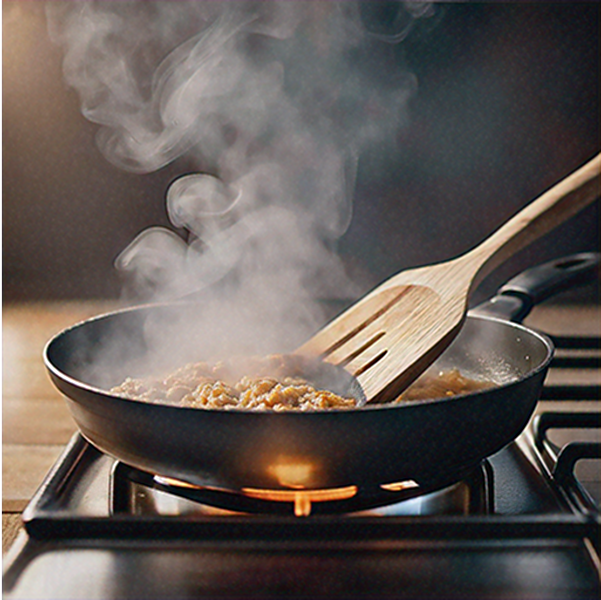
Chop the Chestnut Mushrooms. now u can Blend it , Heat olive oil in a pan over medium heat and add the mushrooms and thyme. Cook for 10-15 minutes until all moisture from the mushrooms has evaporated. Set aside to cool.


3
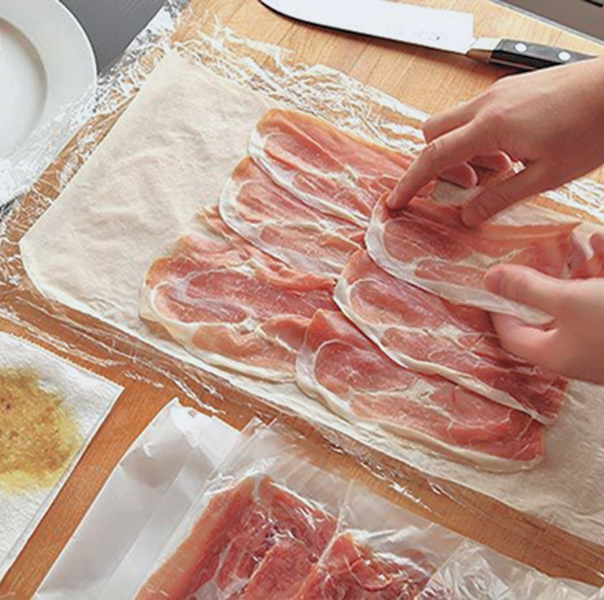
Lay plastic wrap on a flat surface. Arrange Parma ham slices in a slightly overlapping layer. Spread the mushroom mixture evenly over the ham. Place the cooled beef fillets on top, and roll tightly using the plastic wrap. Chill for 20-30 minutes in the fridge.


4
Roll out puff pastry on a floured surface. Unwrap the beef from the plastic wrap and place it in the center of the pastry. Wrap the pastry around the beef, sealing the edges with egg wash. Brush the entire pastry with egg wash and chill for 15-20 minutes.


5
Heat olive oil in a large saucepan and add the beef trimmings. Sauté for 5 minutes to brown. Add the shallots, peppercorns, rosemary, bay leaf, and thyme, and cook for another 5 minutes. Add the red wine vinegar and cook for 1 minute, then pour in the red wine. Simmer until the wine reduces by half. Add beef stock and bring to a boil. Simmer until reduced to a sauce-like consistency. Strain the sauce before serving.
Instructions
Quality Fresh 2 beef fillets ( approximately 14 ounces each )
Quality Olive oil
4 cups Chestnut Mushrooms
1 sprig fresh thyme
4 cups puff pastry
8 slices Parma ham
2 egg yolks
beaten with 1 tbsp water and a pinch of salt
Sea salt and freshly ground black pepper
Beef Wellington
2 tbsp olive oil
7 oz beef trimmings
4 large shallots ( peeled and sliced )
12 black peppercorns
1 bay leaf
1 sprig fresh thyme
Splash of red wine vinegar
3 cups red wine
3 cups beef stock
Red Wine Sauce

New Recipe - 7517
Head Chef
Sarah Baker

Beef Wellington is a luxurious dish featuring tender beef fillet coated with a flavorful mushroom duxelles and wrapped in a golden, flaky puff pastry. Perfect for special occasions, this recipe combines rich flavors and impressive presentation, making it the ultimate centerpiece for any celebration.
Servings :
4 Servings
Calories:
813 Calories / Serve
Prep Time
10 min
Cooking Time
45 min
Rest Time
15 min
Total Time
1 hour 30 min

Comments